Livelihood project implementation
Implementing non-farm livelihood projects, from set-up to first sales.
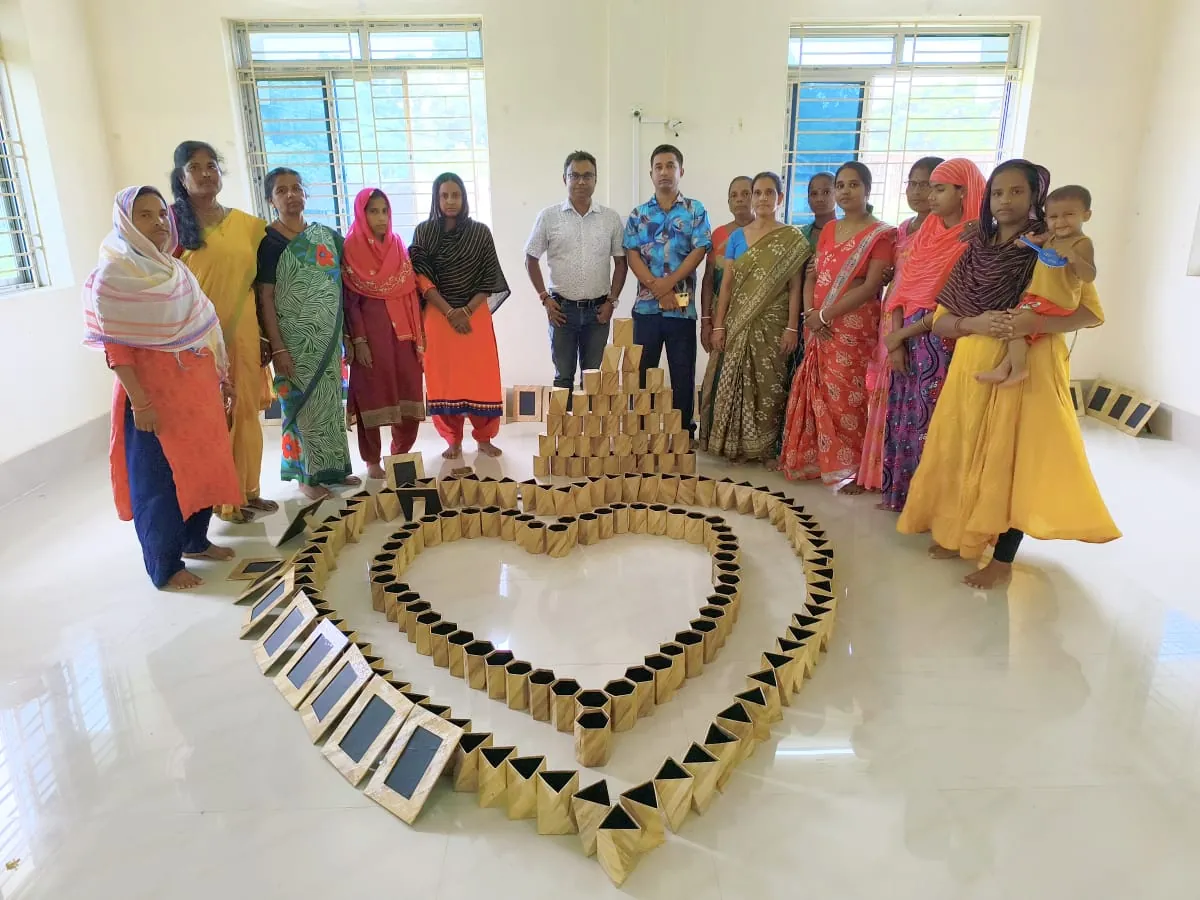
We act as the implementing agency for SHG cluster enterprises, CLF and NFC units — selecting the trade, setting up production, training the women and building the market — under TRLM and other programmes in Tripura.
Overview
Why non-farm, and why now
Tripura has one of the strongest SHG movements in the Northeast, and TRLM’s plan for 2026–27 aims for 1.35 lakh Lakhpati Didis. Reaching that takes more than credit. It takes products that sell.
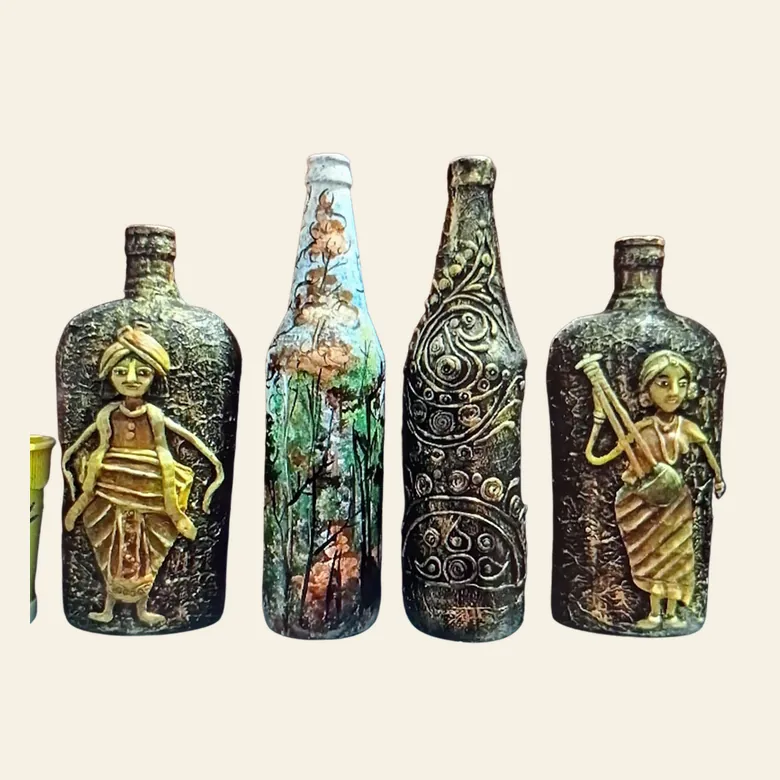
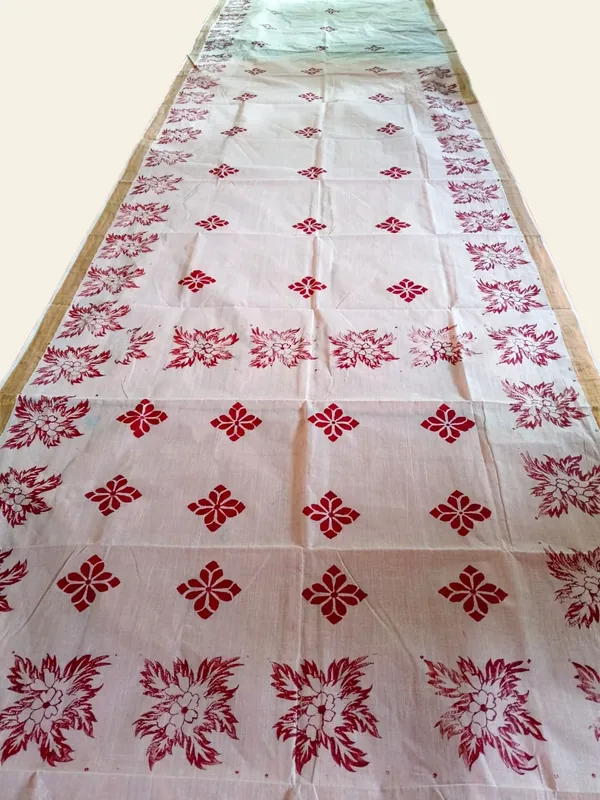
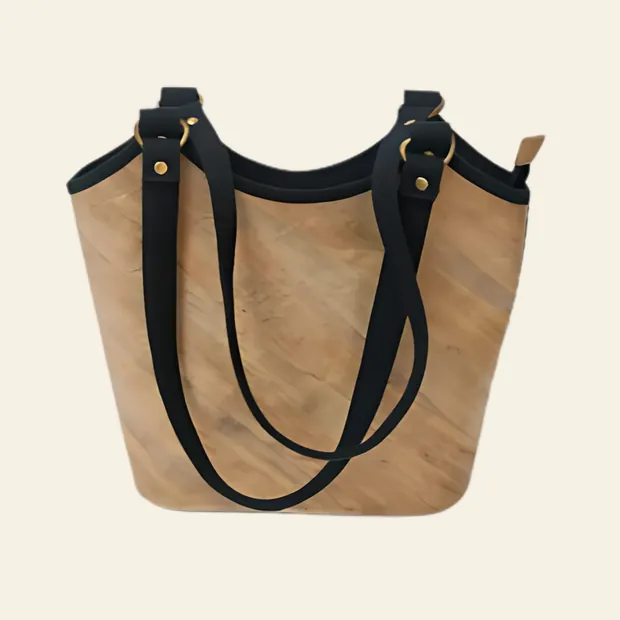
Non-farm enterprises — crafts, food processing, textiles, packaging — let SHG women earn through the year from home or a shared unit, using bamboo, cane, jute, banana fibre, water hyacinth and farm produce that grow in every district. We implement these projects end to end, so the enterprise is producing and selling when we hand over.
In detail
What we implement
SHG cluster enterprises
Group units of 20 to 30 women around one product line, with a production plan, equipment and a selling route.
CLF and NFC production units
Common facility set-ups for Cluster Level Federations and Non-Farm Clusters, including layout, machinery and operating procedures.
District-wide programmes
Multi-block roll-outs, like our Dhalai programme that grew from a single-block pilot to seven BMMUs.
Handholding after training
Production follow-up, quality checks, reorders and problem solving after the classroom phase ends.
Packaging and branding
Brand name, labels, boxes and product stories for the enterprise, produced in our Agartala facility.
Market linkage and buy-back
Melas, bulk and institutional buyers, online listing and buy-back of quality-approved products on selected trades.
Process
Our implementation model
Assess
Material, skills and demand mapped for the block; a trade selected that is not saturated.
Set up
Equipment, space, raw material sourcing and a production plan agreed with the group.
Skill and produce
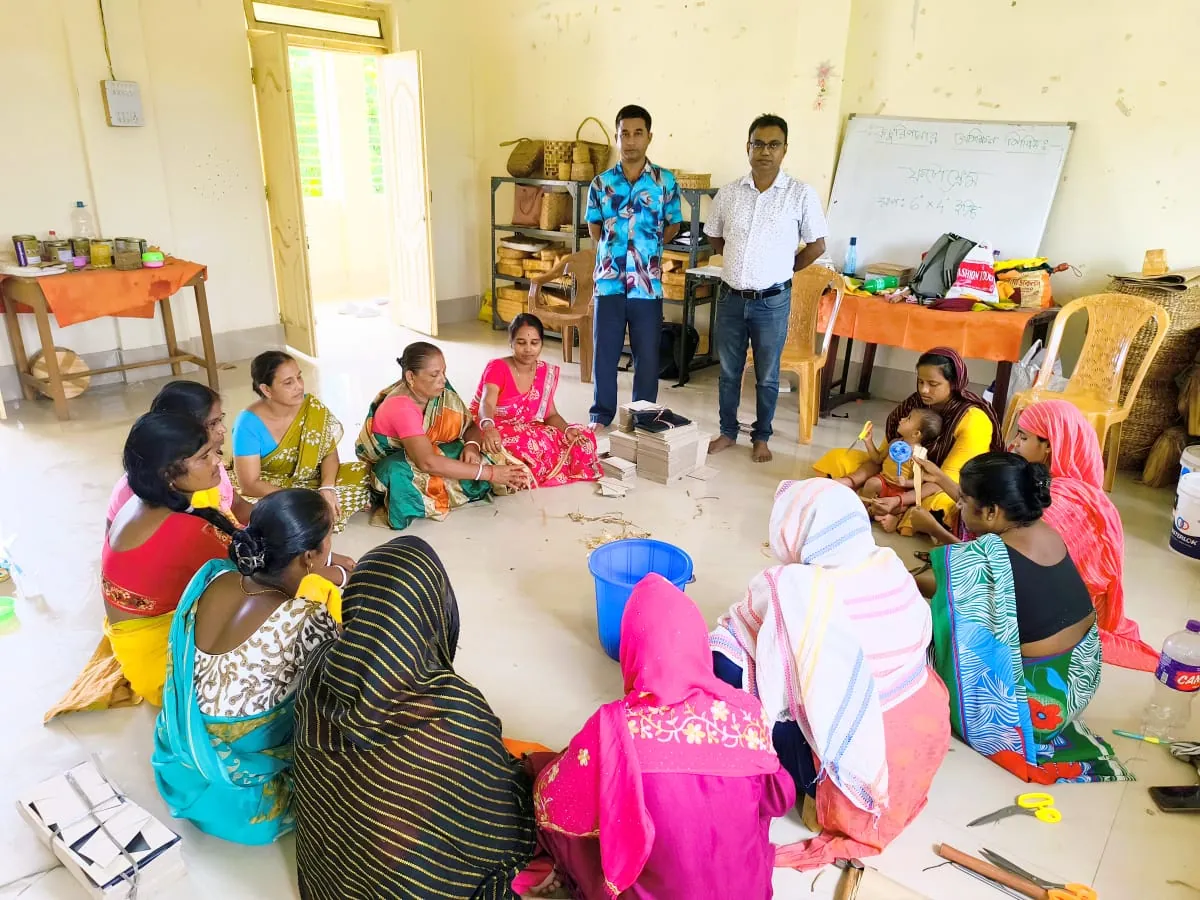
Training by practising artisans, with batch production and quality standards from the start.
Sell and sustain
Packaging, branding and market routes in place before handover, with follow-up support.
Highlights
Results we have delivered
- Repeat programmes across several blocks of Sepahijala
- Dhalai: single-block pilot grown into a seven-BMMU district programme
- Gomati: three trades delivered back-to-back in one block, with every participant certified
- South Tripura: skill development across three RD blocks
- Charilam: 850 premium gift boxes made by trained women for their own jewellery
Frequently asked questions
What is a non-farm livelihood project?
A livelihood activity outside agriculture — crafts, food processing, textiles, services or small manufacturing — that gives rural households a steady income. Under TRLM these are typically run by SHGs, VOs, CLFs or Non-Farm Clusters.
Can UTH Retail be the implementing agency for our CLF or NFC?
Yes. We implement projects for DMMUs, BMMUs, CLFs and NFCs, and can prepare the DPR or proposal required for approval.
Do you stay involved after the training?
Yes. We follow up on production and quality, and help with packaging, reorders and buyers. On selected trades we offer buy-back.
Have a non-farm project in mind?
Tell us the cluster, the product idea and the timeline. We will suggest how to implement it and what it needs.